How Sound, Voice and Breath Affect the Nervous System
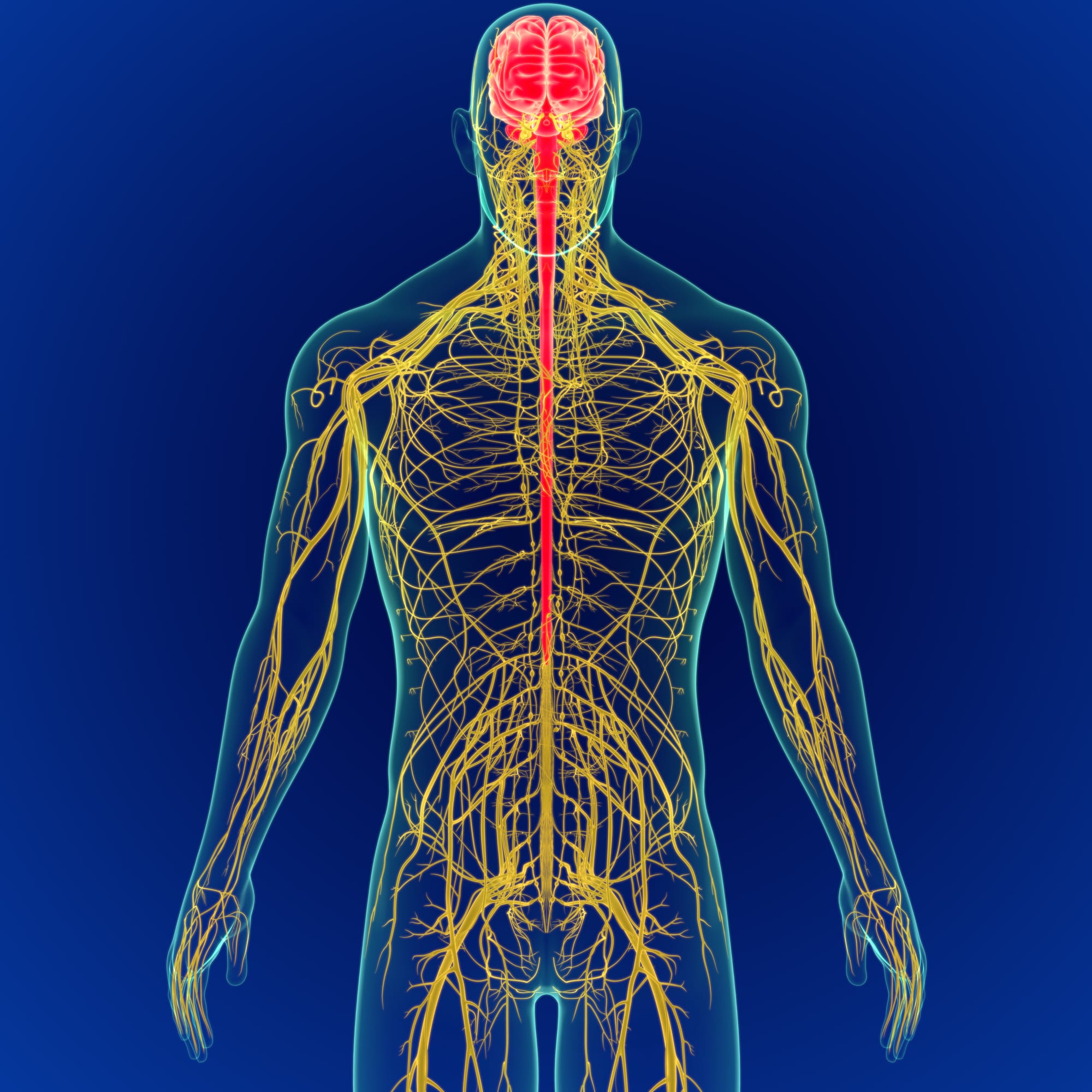
Sound, voice and breath are deeply connected to the nervous system and play an important role in how the body moves between states of activation and relaxation.
The nervous system is constantly responding to internal and external signals. When we feel stressed or overwhelmed, the body shifts into a more activated state – often experienced as tension, shallow breath and a sense of urgency. When the system feels safe, it moves towards regulation, where the breath slows, the body softens, and there is a greater sense of ease.
Breathing holds a unique place within the body, as it's both automatic and consciously controllable. While it is regulated by the autonomic nervous system, we can also directly affect it through awareness and intention. This creates a bridge between conscious and unconscious processes, allowing breath to play a key role in shifting internal state and supporting the nervous system.
One pathway involved is the vagus nerve, a major part of the parasympathetic nervous system. It connects the brain with the body, including the heart, lungs, and vocal system, and plays a role in regulating stress responses, heart rate and breathing patterns.
Gentle breathing practices can influence the system directly. Slow, steady breath – particularly with a longer exhale – has been shown to support parasympathetic activation, helping the body shift toward calm and restoration.
The voice is also closely linked to this pathway. Vocalisation – including humming, toning, sustained vowel sounds and singing – can create subtle vibration in the throat and chest, areas associated with the vagus nerve. Research suggests that these vibrations, along with controlled breathing, may support regulation of the nervous system and contribute to a sense of grounding and internal stability.
Sound itself also plays a role. The body responds not only to internal sensations, but also to what we hear. Gentle sustained tones and harmonic sounds can influence brainwave activity and support a shift toward more relaxed states. This is one reason why sound-based practices are often associated with deep rest and reduction of perceived stress.
Together, breath, voice and sound form a connected system. Through conscious breathing, vocal expression and receptive listening, it is possible to support the body's natural capacity for regulation, release and restoration.

While these practices are not substitute for medical care, many people experience a greater sense of calm, clarity and internal coherence when working with sound and voice in this way.
These principles form part of the foundations of the Luminous Voice Method and Temple Voice sound sessions, where voice, breath and sound are explored as pathways toward regulation, expression and deeper connection.
There is growing clinical interest in the use of sound and music within the healthcare system. Music and sound Its is increasingly used in hospitals and care environments to support relaxation, reduce anxiety and enhance overall wellbeing. This reflects a broader recognition of the role sound can play in supporting the nervous system.
– Marina Elira